

Tapas
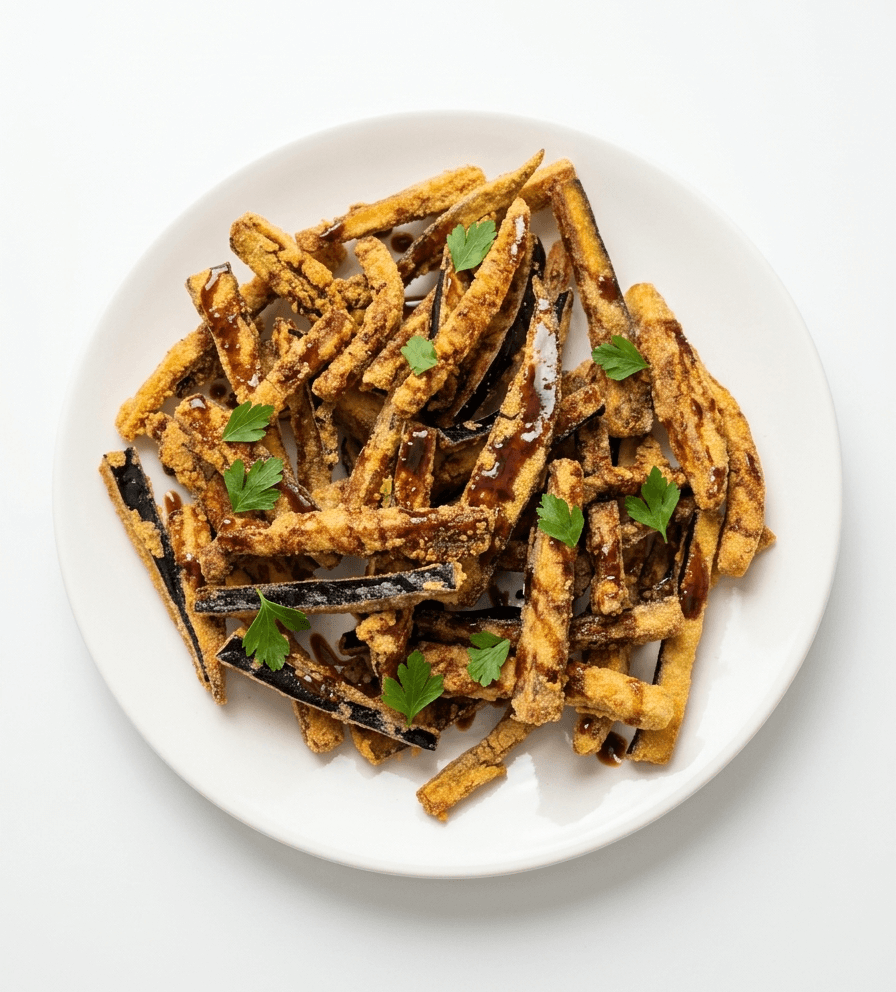
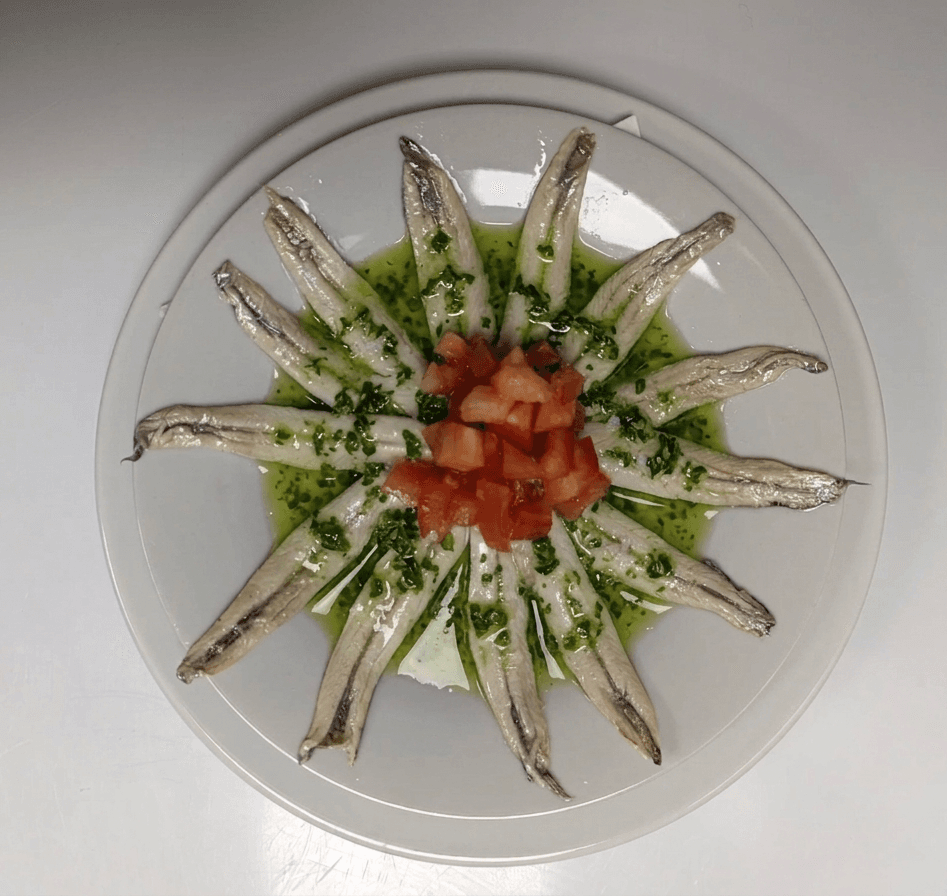
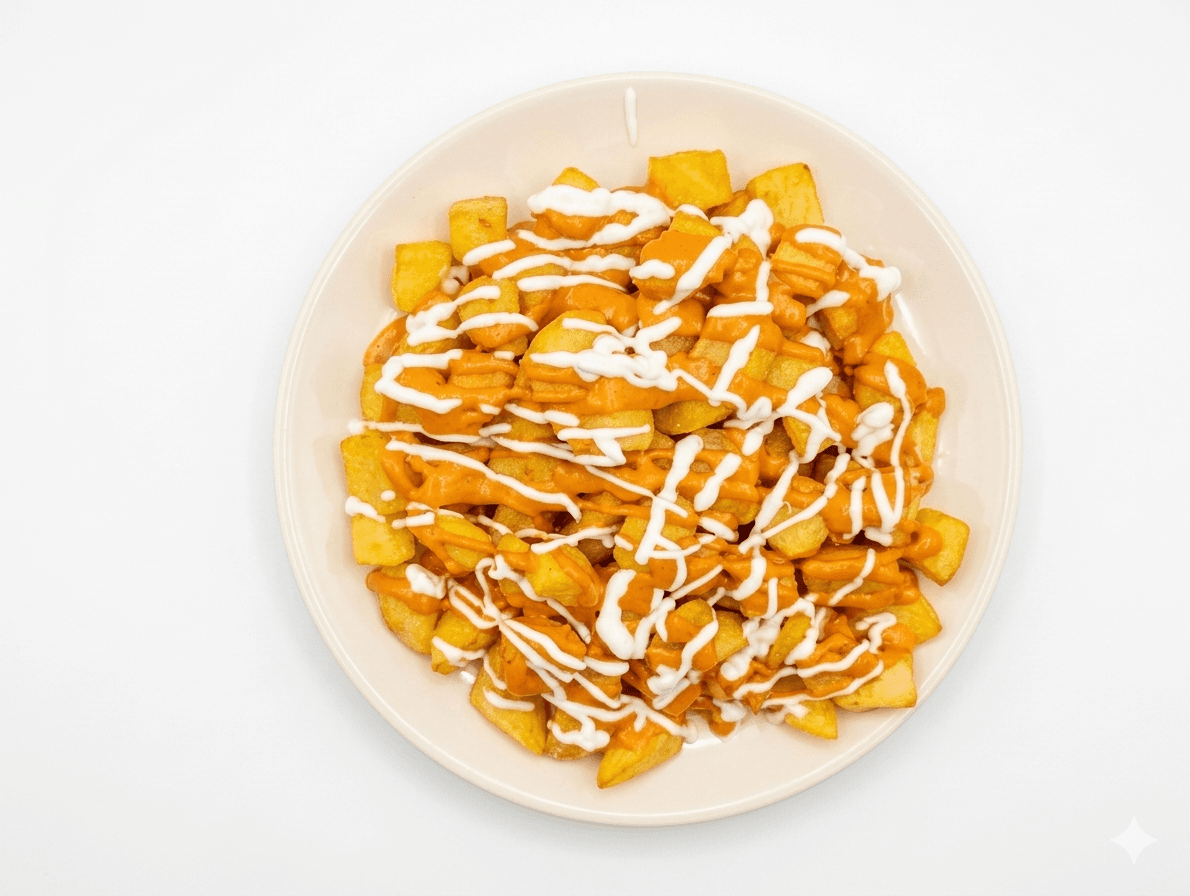
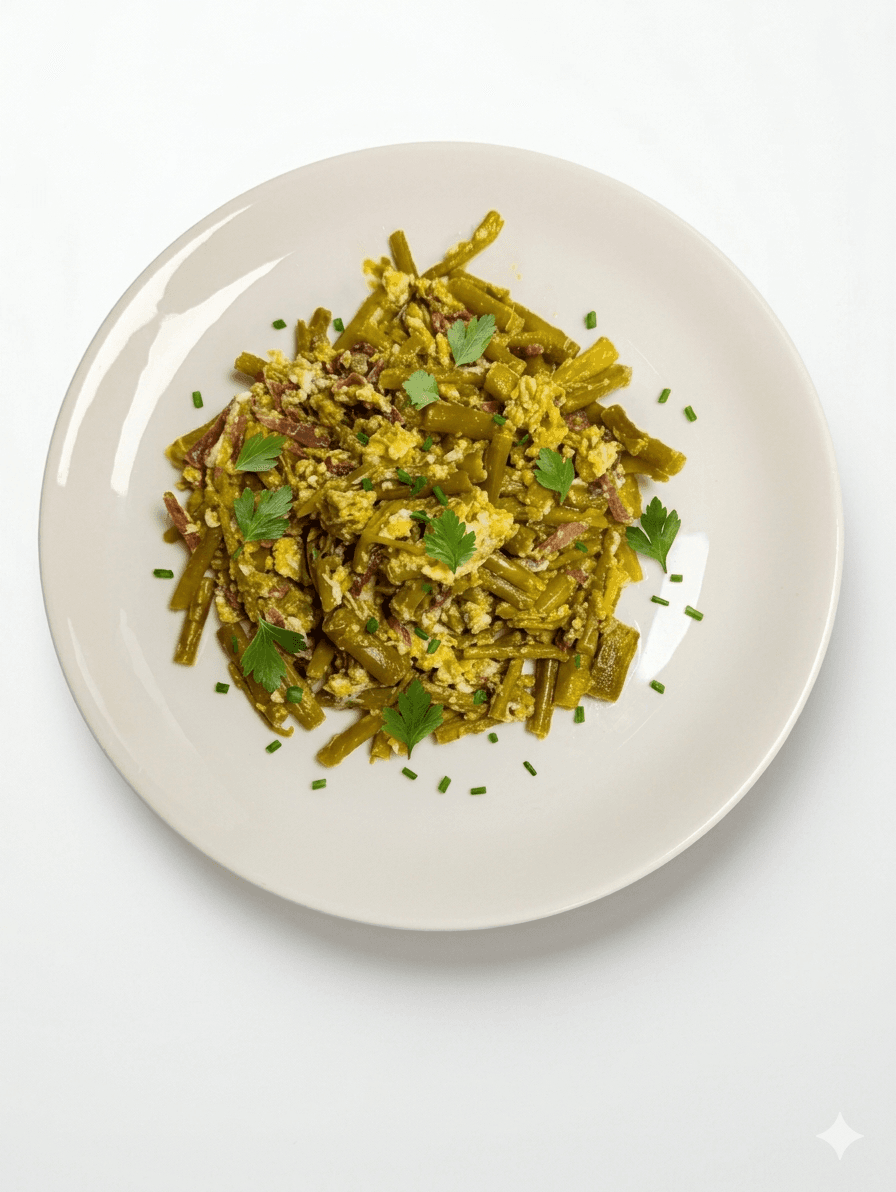
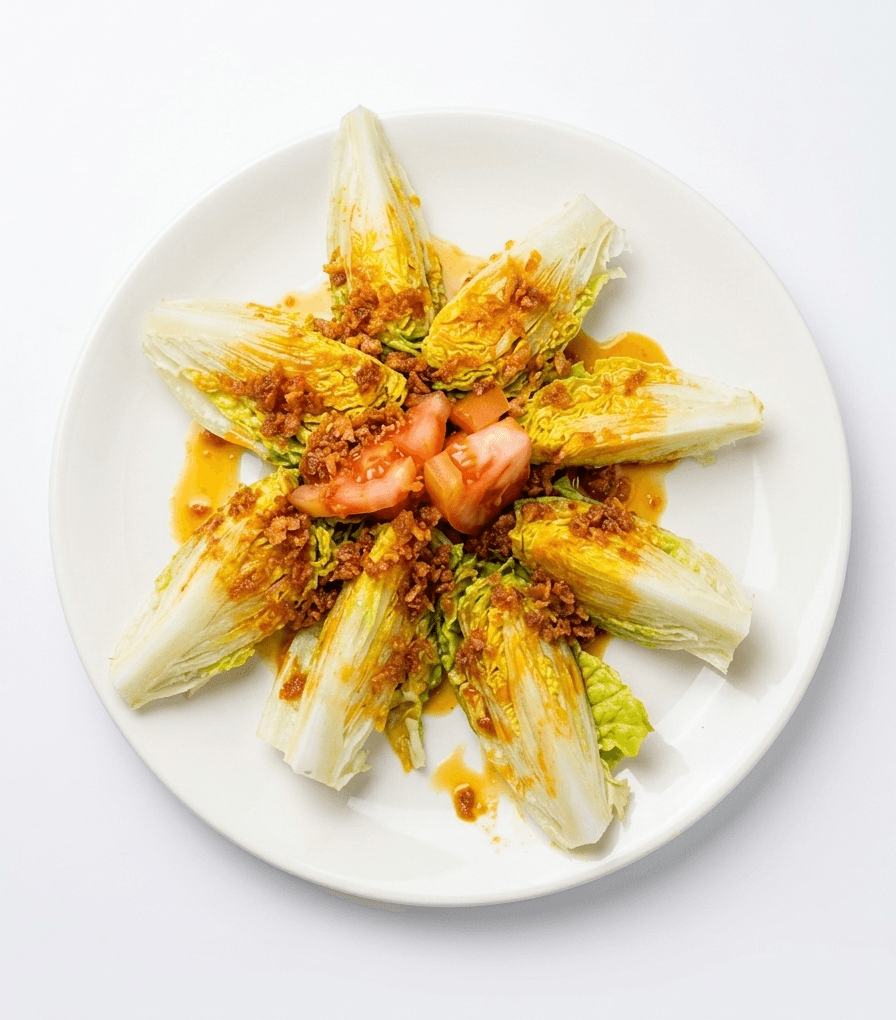
Andalusian combo: salmorejo, aubergines, flamenquines and tortilla
Read more
Bar El Pozo blog
Guide to choosing a good daily menu at a Córdoba bar: how to tell home cooking from shortcuts, what to order and what to check before sitting down.
The daily menu is one of the best ways to read how a bar works. It is cooking by volume, at a fixed price and in a short window, so any shortcut shows up. When it is done well, you leave with the feeling of having eaten home cooking for less than expected. When it is done badly, you can tell within two minutes. This is a guide to telling them apart.
A short list. A daily menu with three or four first courses and the same in mains is usually better cooked than one with twelve. The reason is simple: with fewer dishes, each one is made better and with the product of the day.
A handwritten board. Menus that actually change each day are written by hand or in chalk. The ones laminated and unchanged for two years usually mean industrial cooking, not in-house.
Locals at the table. If at half past two there are people from the neighbourhood eating — not just tourists — it is a good sign. Regulars do not come back if the food is bad, no matter how central the place is.
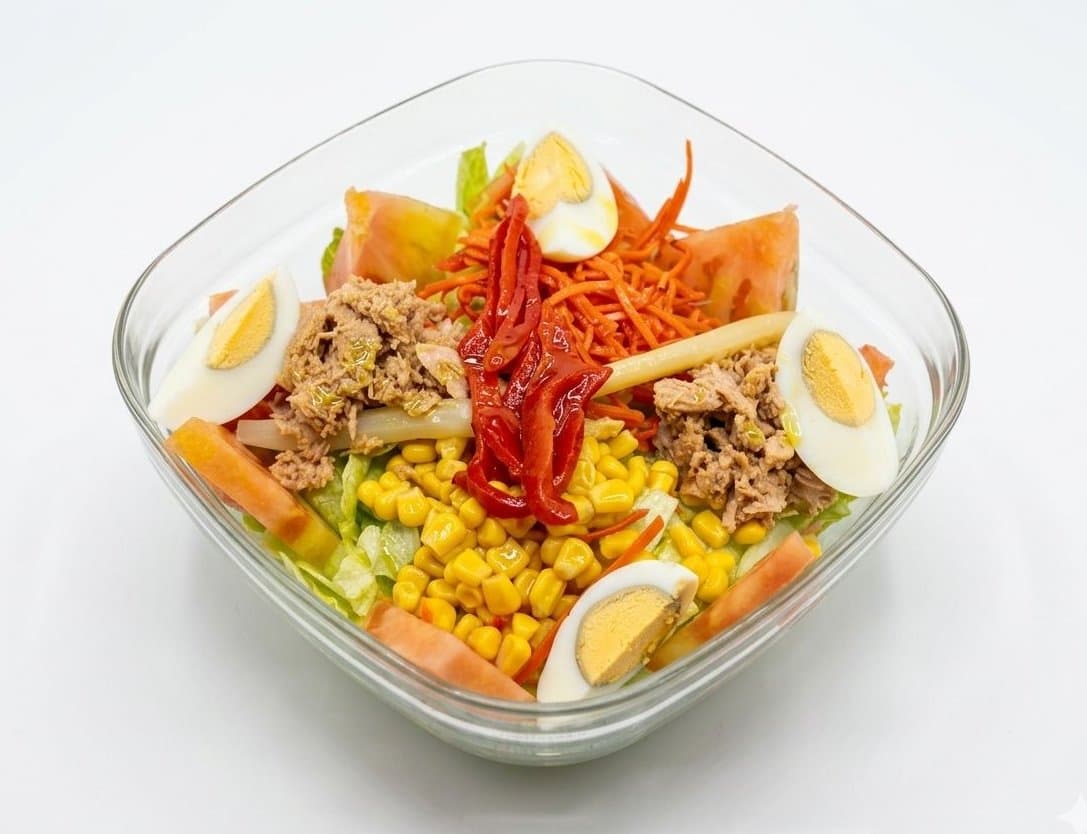
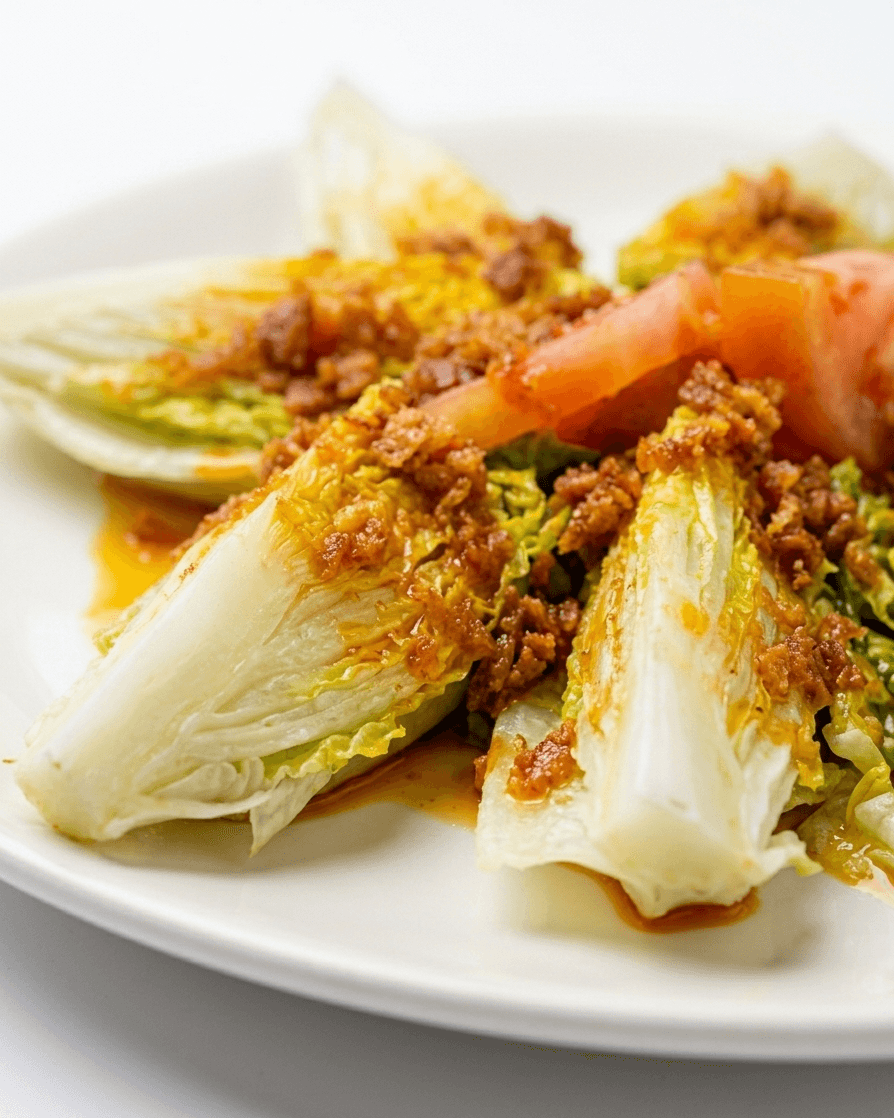
Good firsts are stews of the day, pulses, salad assembled to order or soups made in the kitchen. If you get a packet purée or a pale, flavourless ensaladilla, you already know where the rest is going.
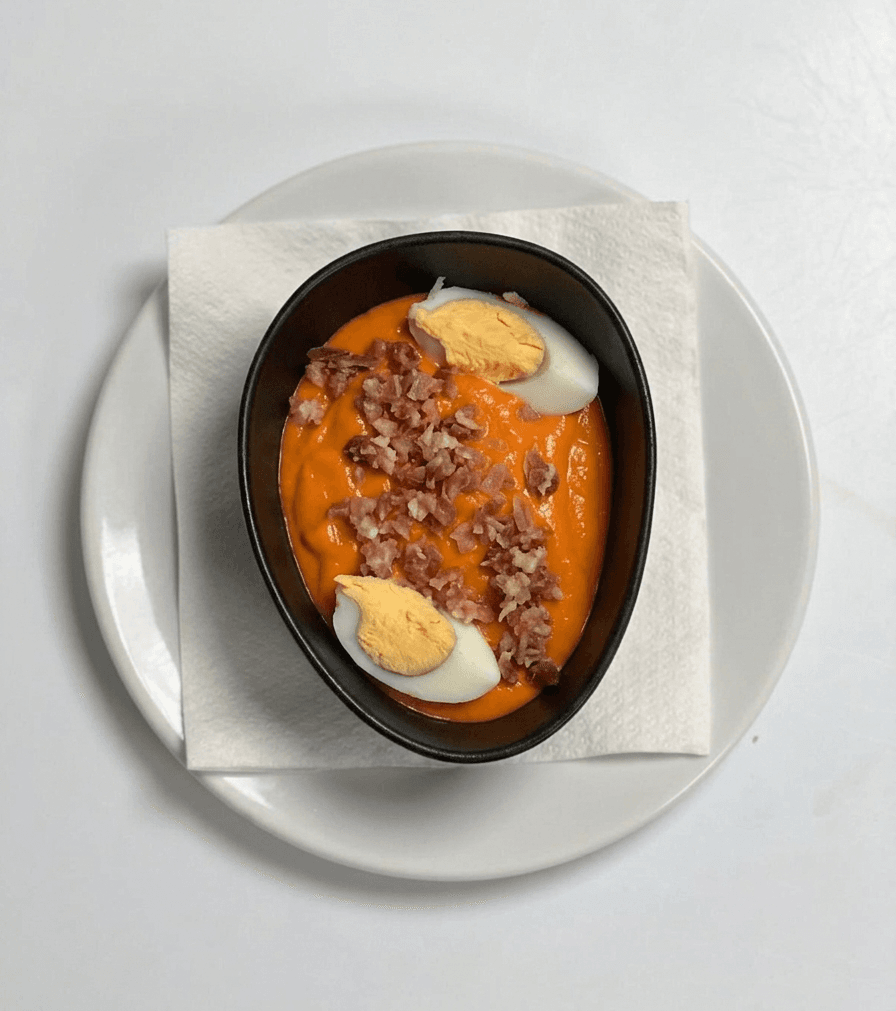
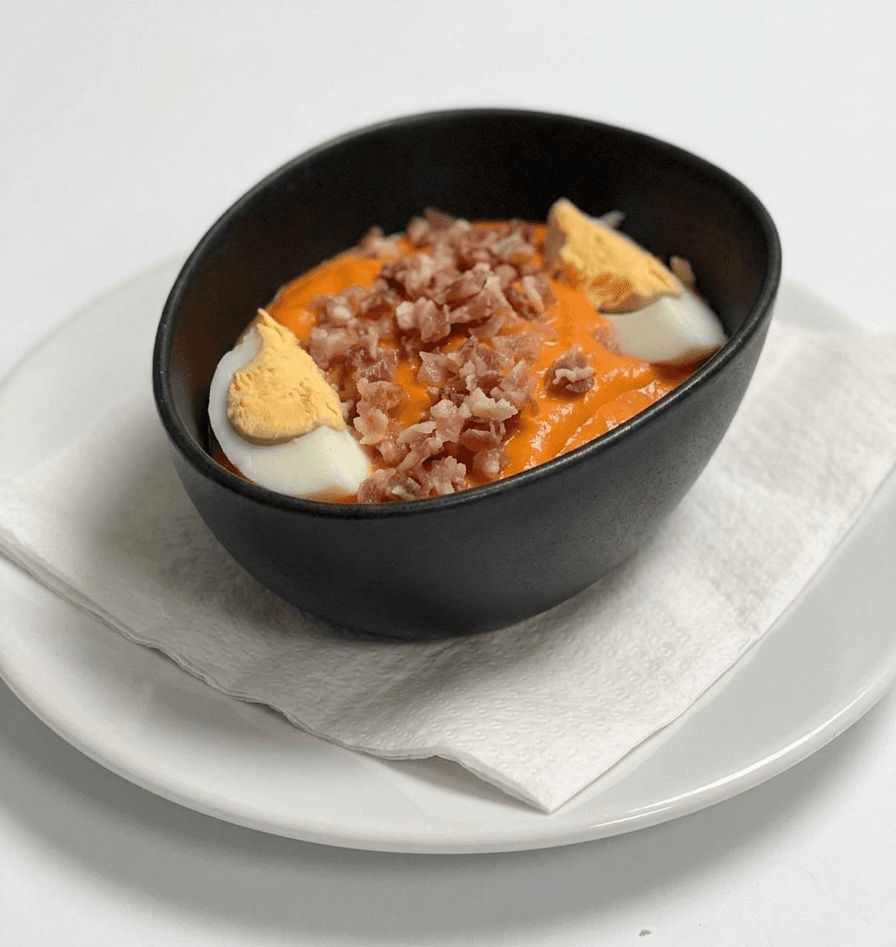
In summer, cold dishes count double: a salmorejo or a gazpacho done well is easy if the kitchen takes them seriously, but also easy to do badly if they were prepared too long in advance. If it smells of fridge, that is not a good sign.
Pulses are a classic test. Lentils, chickpeas and beans need time and care, you cannot rush them. When they come out right, they are one of the best indicators of honest cooking.
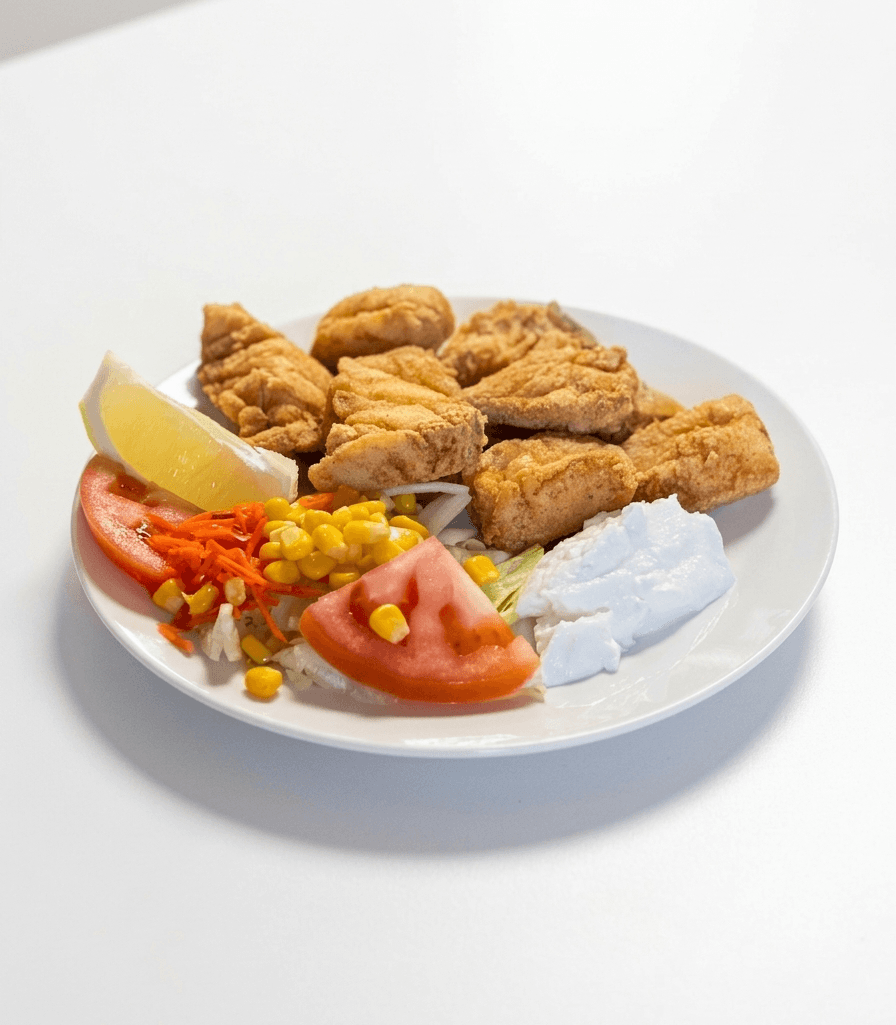
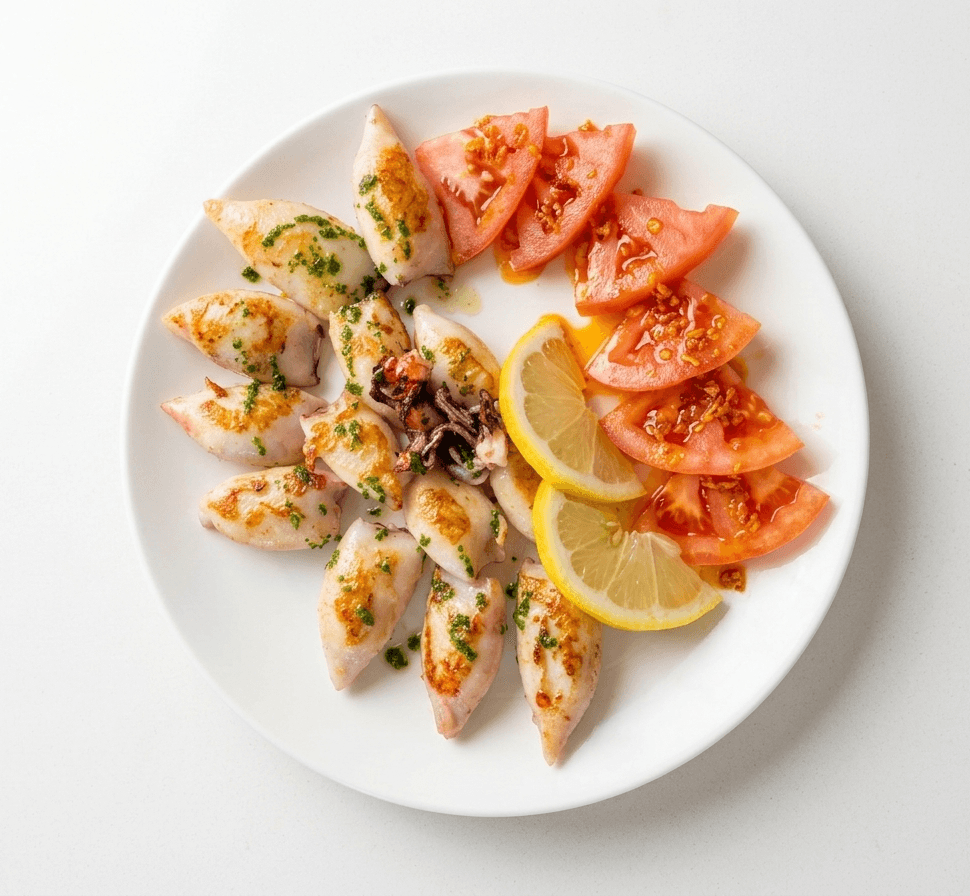
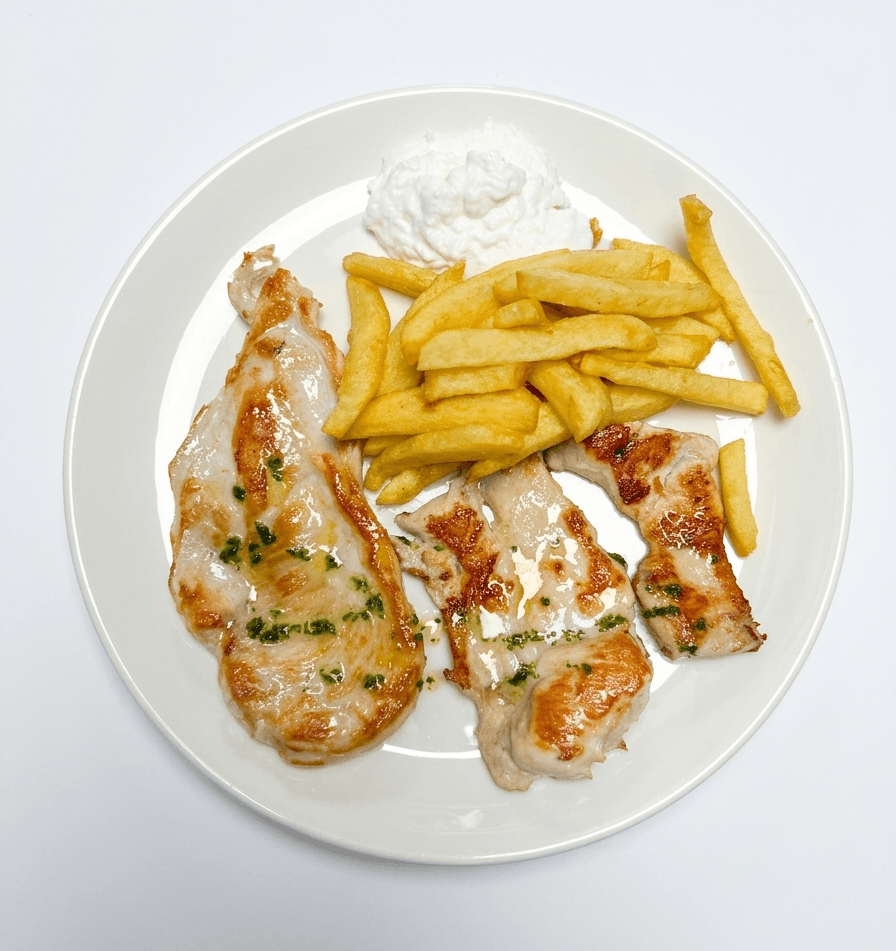
The easiest things to do well are the simplest: grilled pork loin, chicken breast, fried fish. They do not need flair, just not overcooking and being served hot. If the loin is dry or the fish pale, the issue is service, not the recipe.
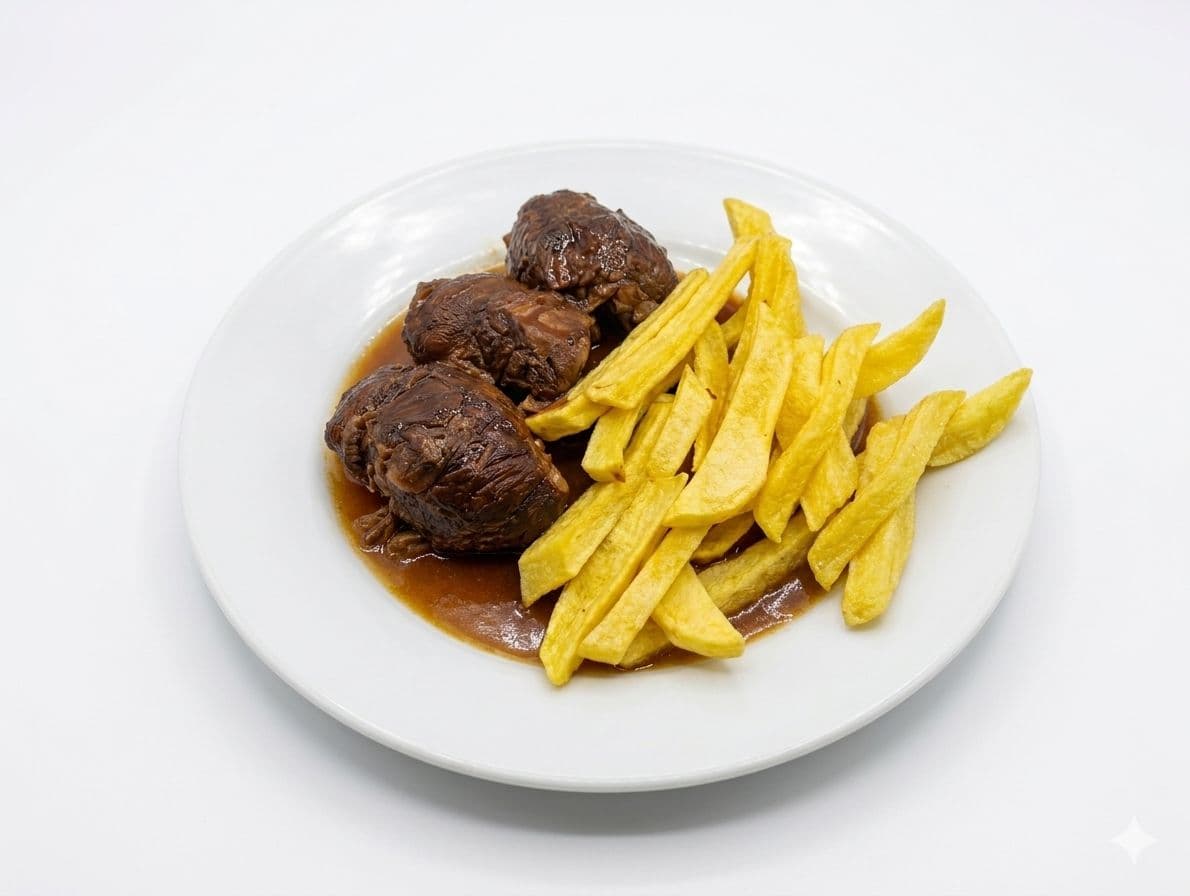
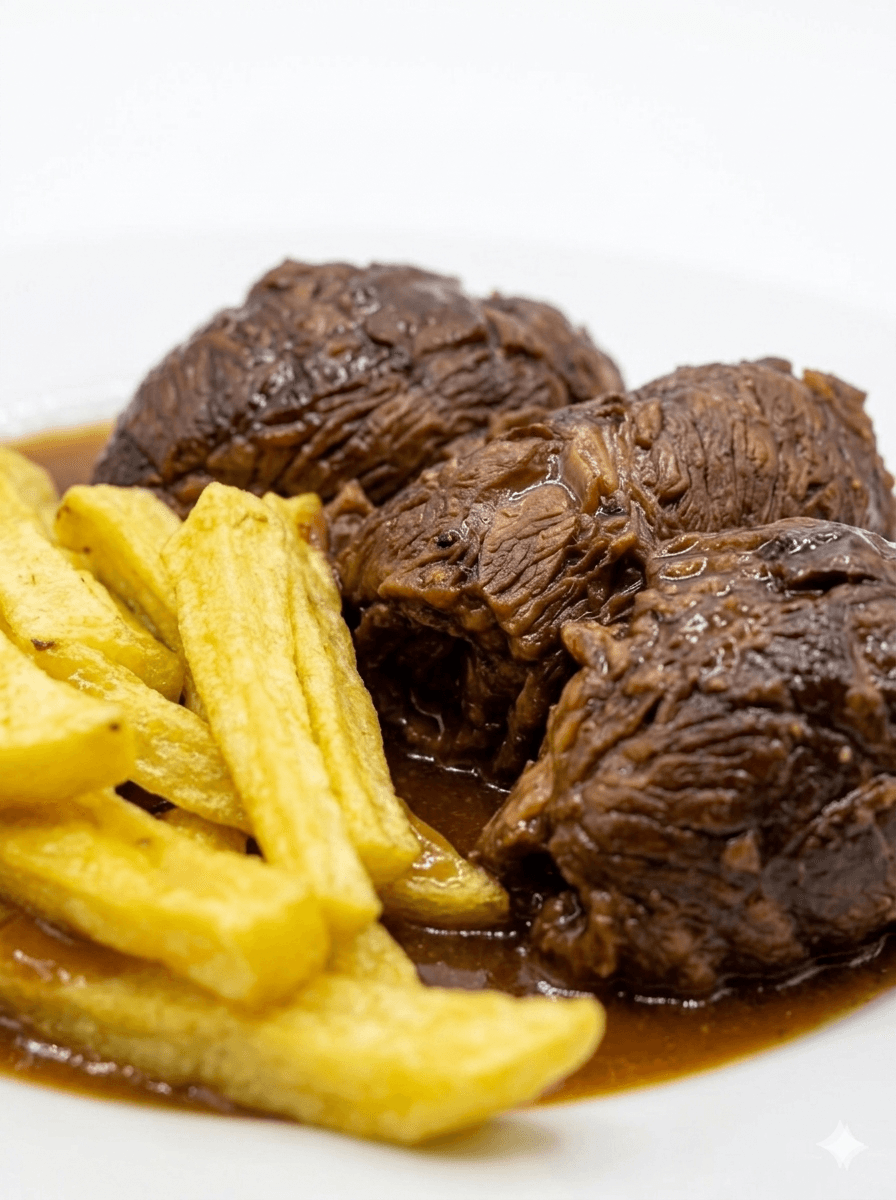
Stews as a main — rabo de toro, carrillada, meatballs — work very well on a daily menu because they improve with rest. They are often better as a daily menu option than à la carte because they have been pulling flavours together all morning.
The side speaks. Fresh-cooked chips, a salad with real tomato or homemade pisto point to a working kitchen. If the side is always the same pre-frozen chips, the menu is sized for volume, not quality.
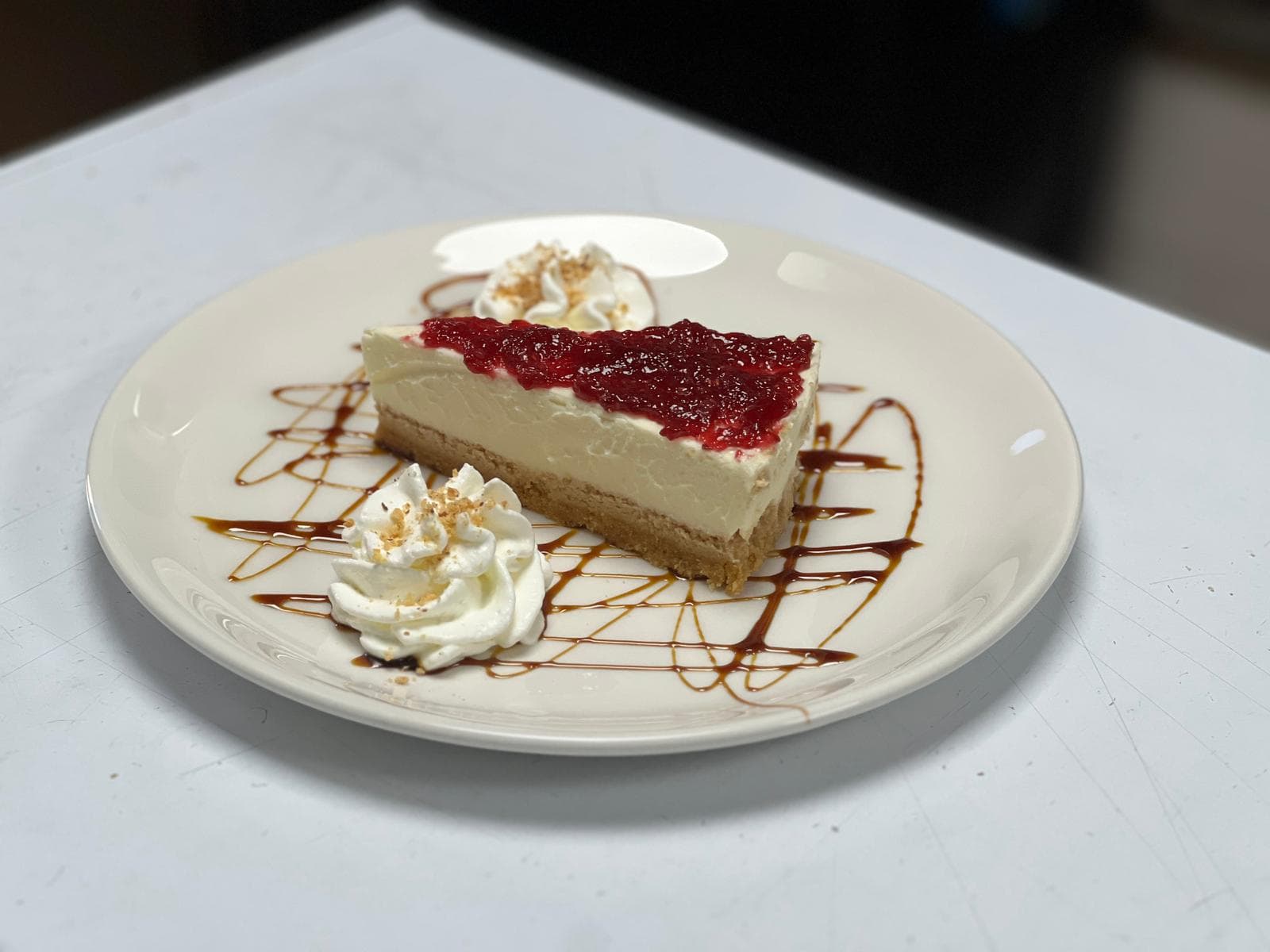
Good homemade dessert: their own cheesecake, kitchen-made flan, rice pudding. If everything they offer comes in industrial pots, it is not a bad menu by definition, but it tells you something about where they save.
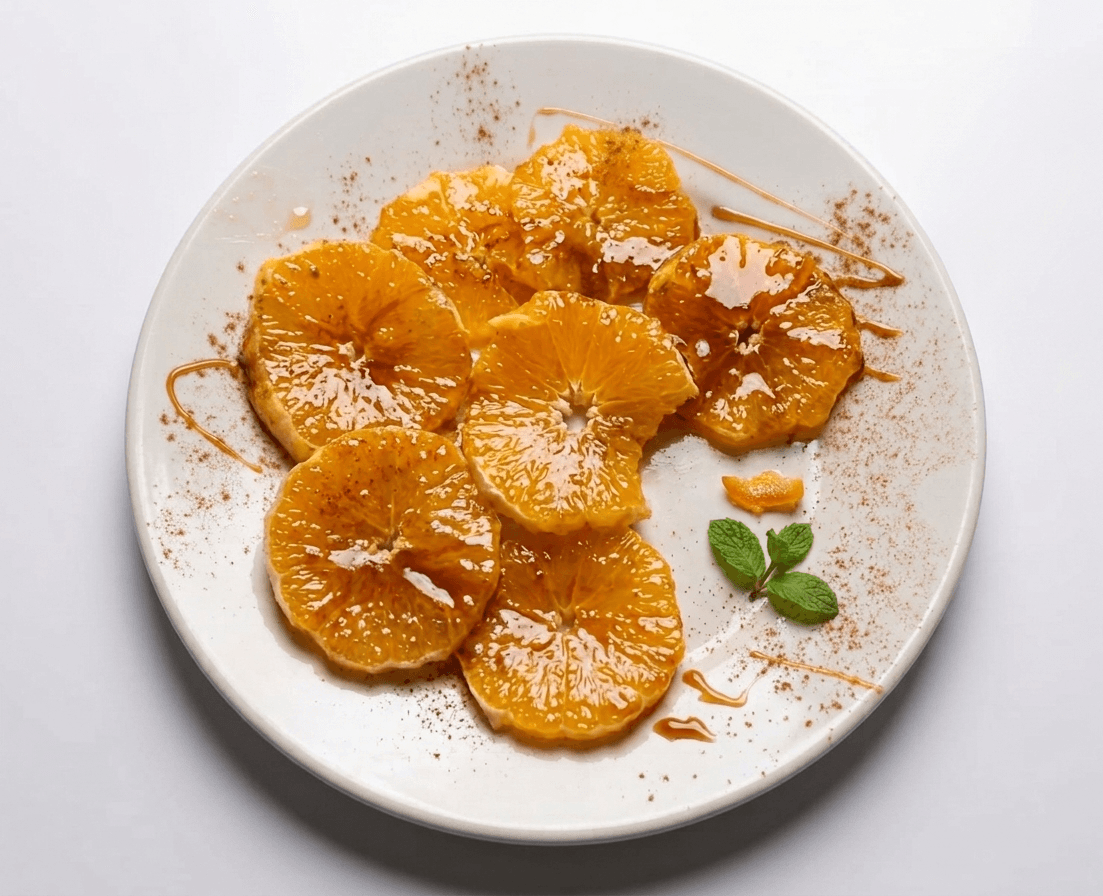
Seasonal fruit is always a valid, honest choice. It is light, closes the meal well and hides nothing. If they serve it cut and plated, even better.
On drinks: read what is included. Some menus include a small house wine and water; others add beer or a soft drink. There is no rule; the important thing is knowing it beforehand so the bill brings no surprises.
Coffee included is common and a nice touch. When it is not, it is usually stated clearly. Ask if in doubt; no one minds.
The daily menu is served at lunchtime, Monday to Friday in most bars. Some keep it on Saturday, very few on Sunday.
If you are short on time, it is the fastest and most economical option. If you are taking your time and want to try several things, you are better off with the à la carte menu and tapas to share: the daily menu is for a starter, a main and a dessert, not for grazing.