





Tapas
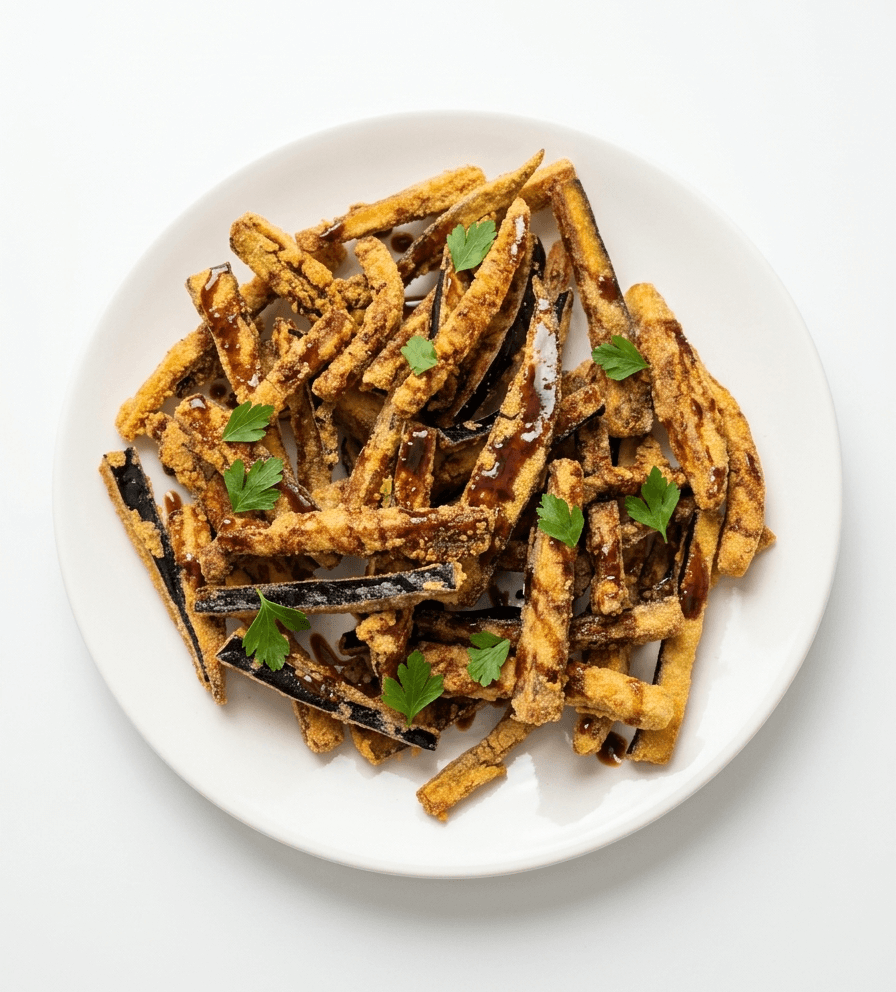
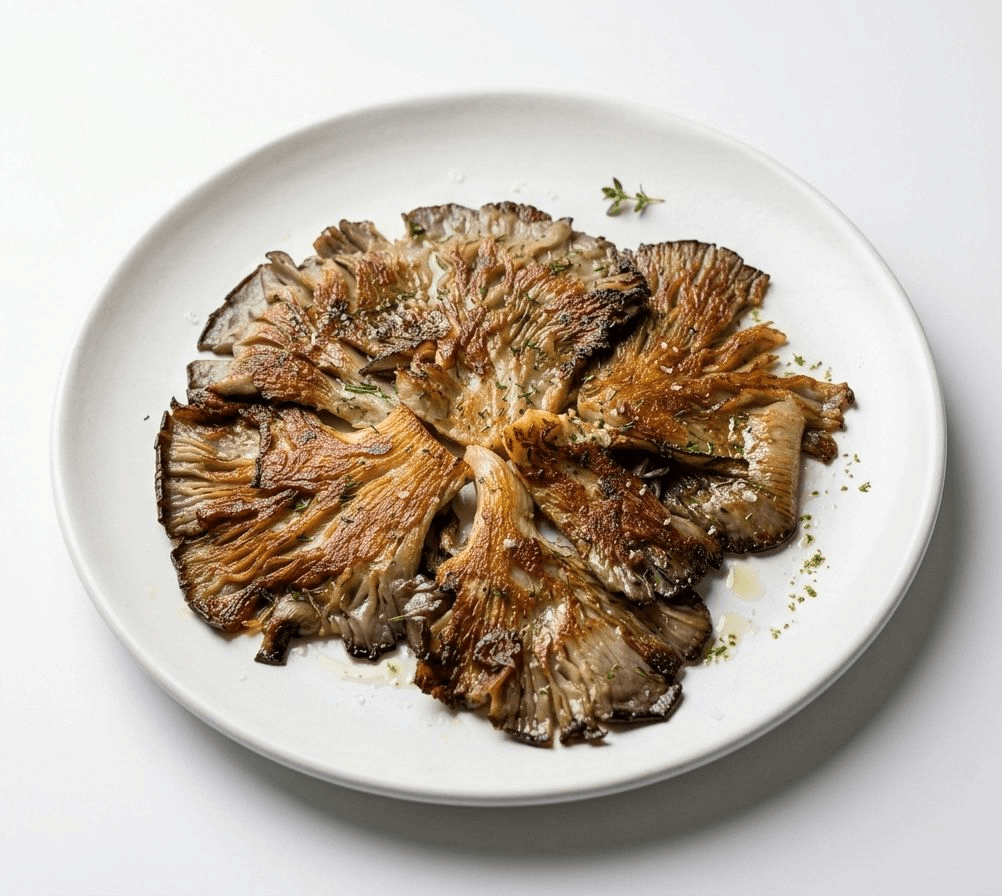
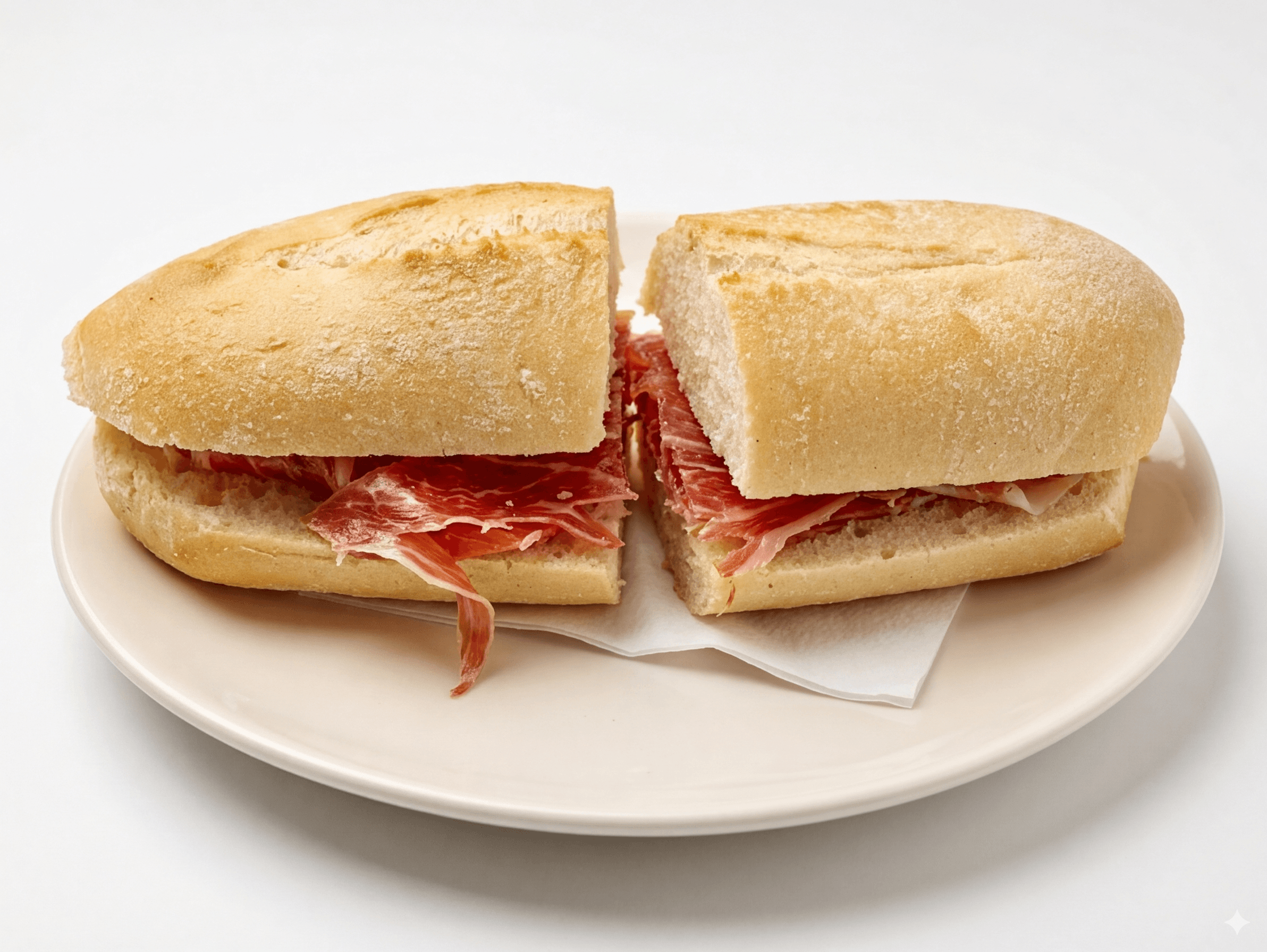
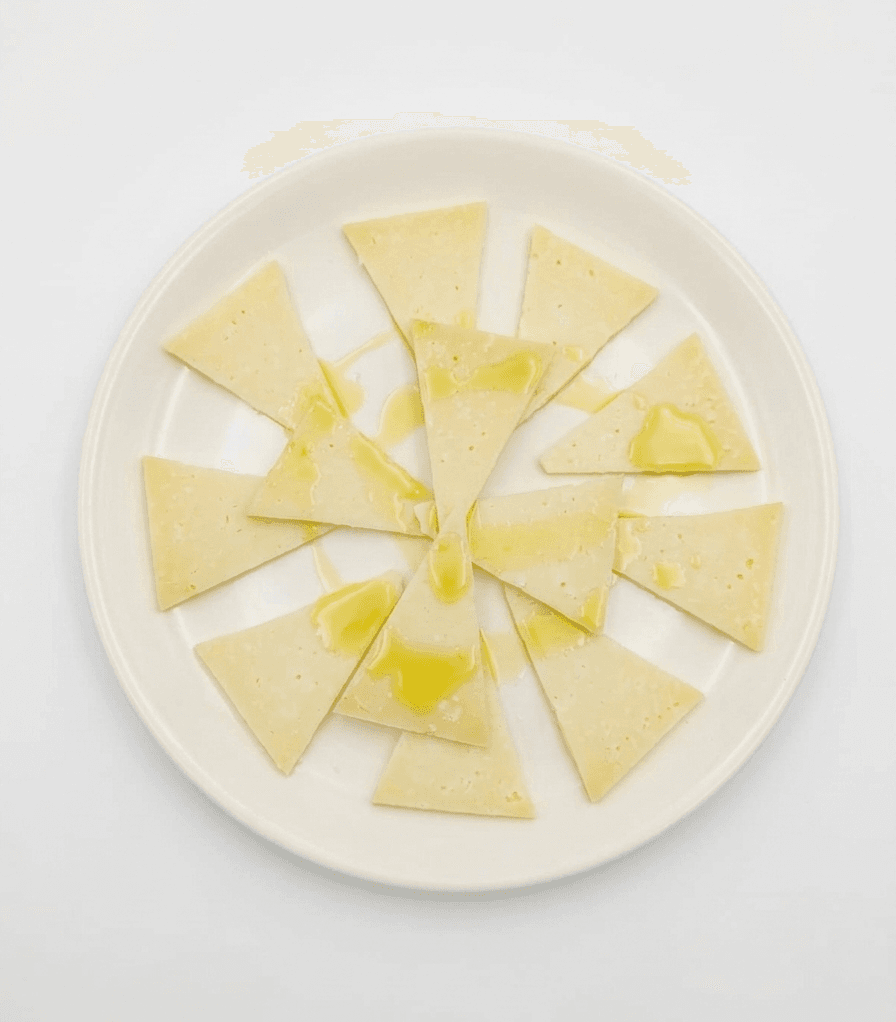
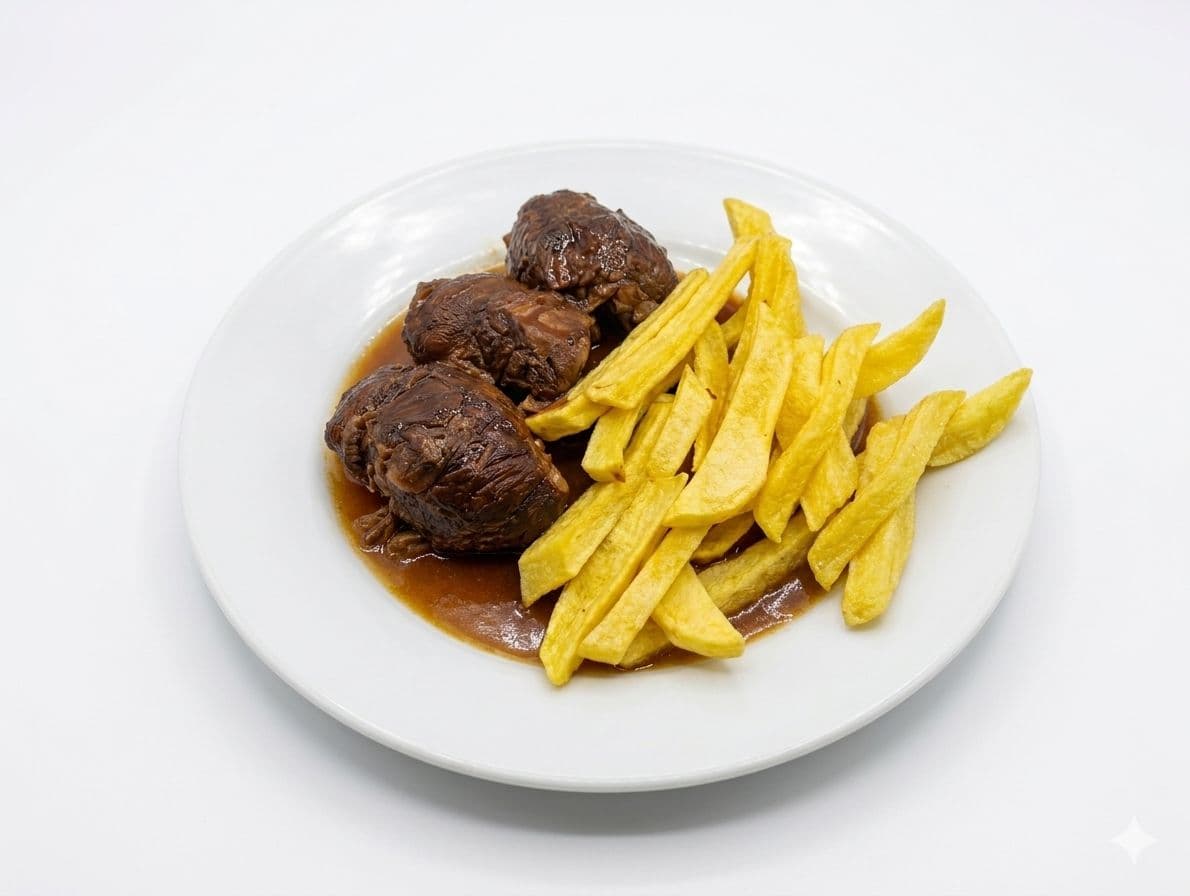
Andalusian combo: salmorejo, aubergines, flamenquines and tortilla
Read more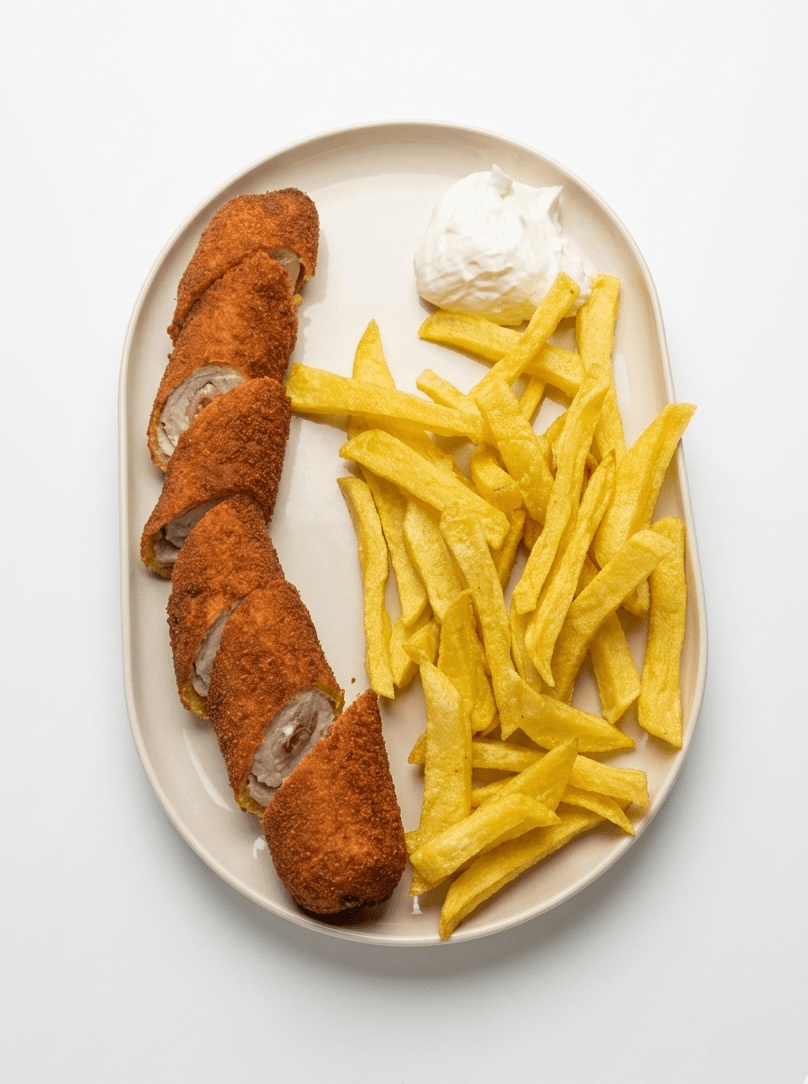
Bar El Pozo blog
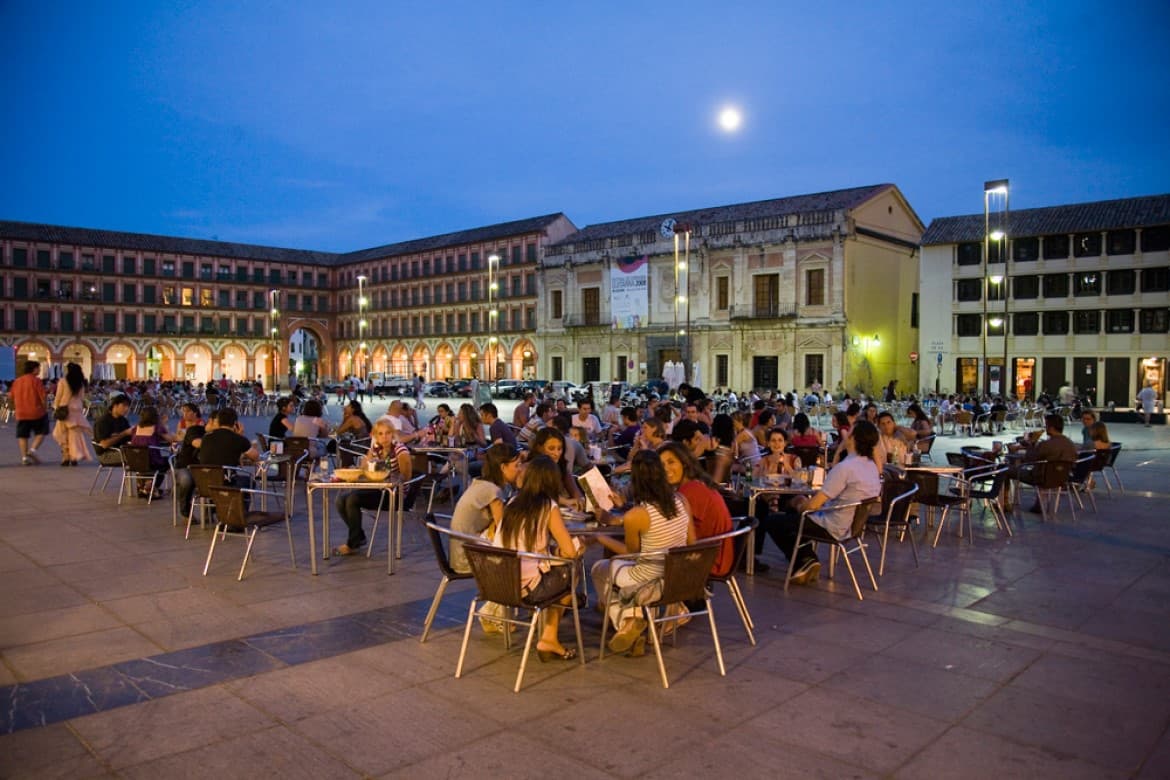
Short guide to salmorejo cordobés: ingredients, texture, service and how to order it at La Corredera, at Bar El Pozo.
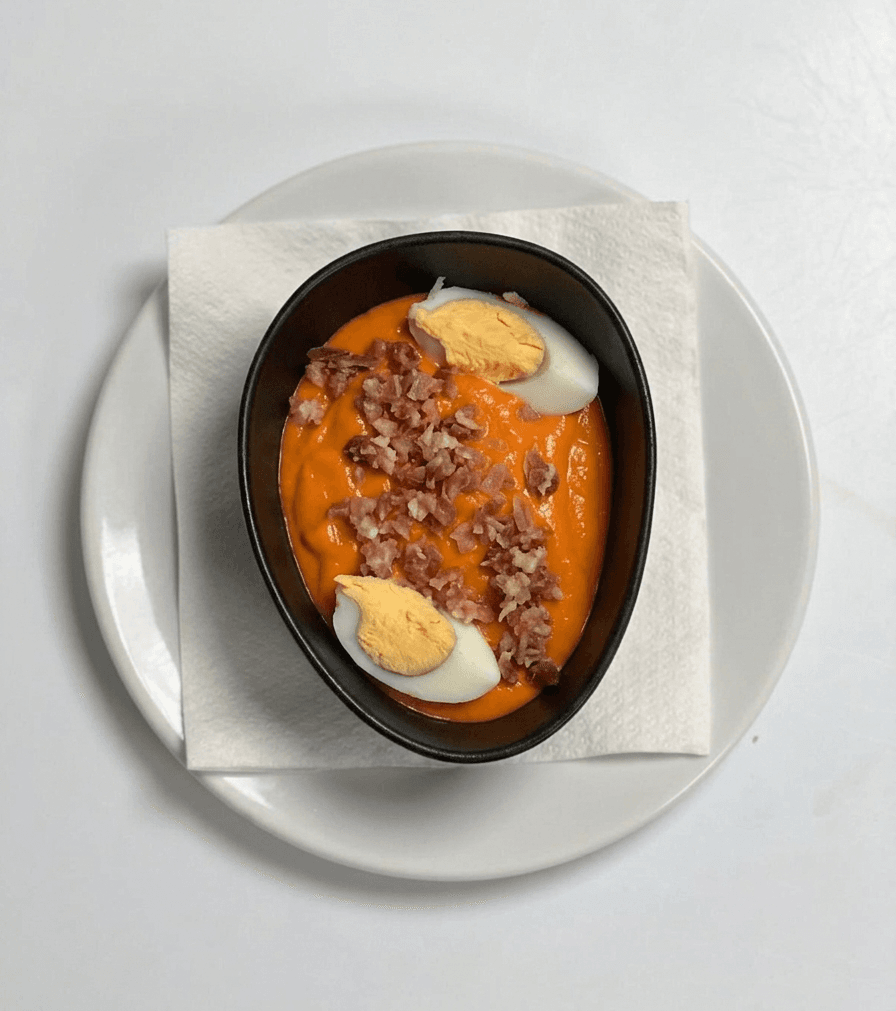
Salmorejo is one of those dishes that look simple until you try a good one next to an average one. It is tomato, bread, oil, garlic, vinegar and salt. Nothing more. But the difference between a correct salmorejo and one that stays with you sits in very specific details: density, colour, vinegar balance and the quality of the oil. This is a short guide to recognising them.
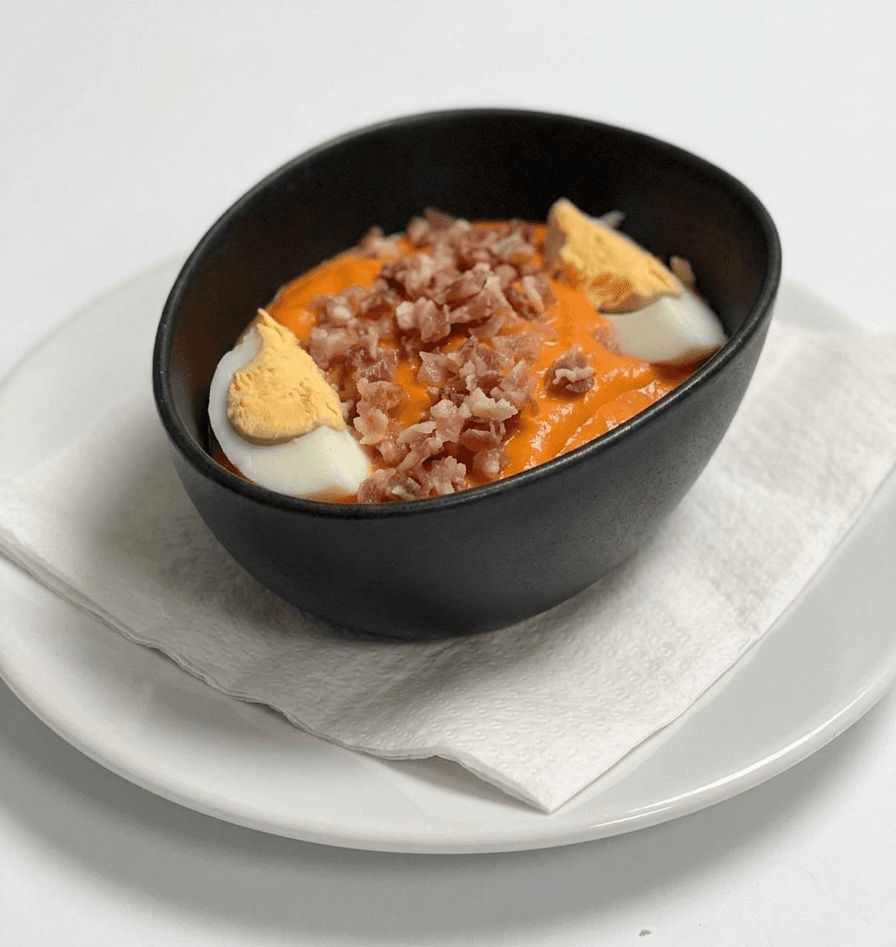
First, the colour. It should be a deep salmon-orange, even, with no pale tones or lighter patches. If it leans towards bright tomato red, there is usually too little bread; if it leans towards dull yellow, there is too little tomato or poor-quality tomato.
Then the texture. A good salmorejo holds the spoon without falling. Tilt the bowl a little and it moves slowly, like a thick cream. If it runs like a strained gazpacho, it is not a well-made salmorejo, even if it tastes similar.
And finally the oil. A green drizzle on top, not fully mixed in, is a good sign. It means they have used good extra-virgin olive oil and added it at the end, not blended into a flat emulsion.
Tomato is the main flavour. It should taste fresh, not like tinned sauce. That is why salmorejo is at its best in peak tomato season, from June to September, although good bars keep the quality up year-round by picking the right supplier.
Garlic and vinegar come behind, without hitting hard. If the first taste burns with garlic or stings with vinegar, the balance is off. They should be there, but as company.
Salt is the last thing you notice. A good salmorejo is served cold from the fridge, and the cold dampens salt: that is why it usually feels slightly more seasoned than it would at room temperature. That is normal.
The classic service is with chopped boiled egg and small cubes of ham on top. Some bars add croutons; others keep it clean. Both versions are valid.
It is ordered as a full or half portion to share, and you dip with bread. It is not meant to be eaten like soup: at a bar table it is for dipping, picking at and alternating with other tapas. That is why asking for extra bread usually makes sense.
If you order it as a starter in a longer meal, it goes before fried dishes and meats. It cleans the palate, refreshes, and gets you ready for what comes next. That is the order most Córdoba bars respect when serving.
Salmorejo has bread in the base, so by default it is not coeliac-friendly. Some bars can make a gluten-free version with notice, but it is not standard: it is worth asking before ordering.
Toppings: the boiled egg and the ham can be left out if you do not want them. If you follow a vegan diet, ask for it plain; the base salmorejo is vegan as long as the oil does not cross-contaminate with ham stocks in the kitchen.